Posts

Posts mit dem Label "soft porcelain" werden angezeigt.

China

Bild
China, which is peak pottery appeared in China in IV-VI centuries. The invention of porcelain was associated with the desire to find a replacement for expensive and fashionable jade ware. Therefore, the first porcelain had green or bluish gray. The greatest flowering of porcelain production belongs to the XV century, the era of the Ming Dynasty. By far the most expensive china is made in Jiangxi Province in the workshops Tszindechzhenya. With the X century porcelain begin to produce in Korea. In Japan, the production of porcelain appeared in the XVI-XVII centuries. under the influence of China and Korea. Especially known products, the Arita (aka Imari) Painted enamel on a white background (flowers, birds). Depending on the weight and composition of the porcelain glaze different hard and soft porcelain. Certain intermediate species is represented by the so-called bone china. Hard porcelain mainly contains two source material: kaolin and feldspar (sometimes in conjunction with...

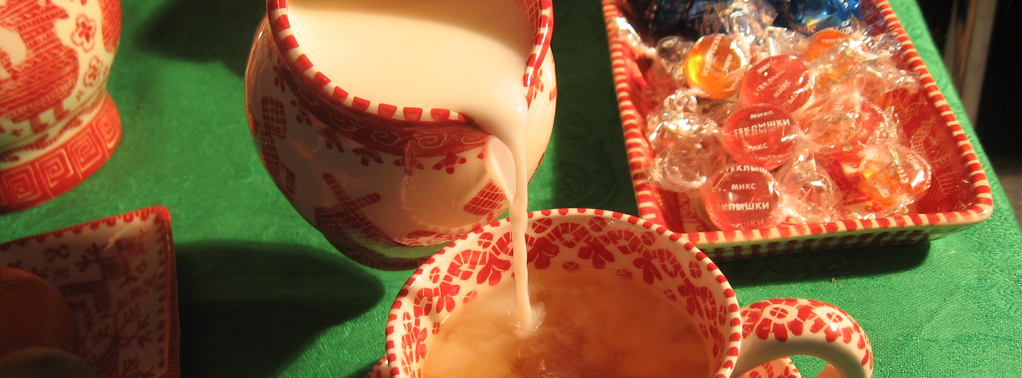
Soft porcelain

Bild
Soft porcelain was first developed in Florence, he appeared in Europe two centuries before solid. Often called Medici porcelain or artistic. But today, you can hear a name like "frittovy porcelain", implying the manufacturing method. Soft porcelain from which the mostly art products, more transparent than solid, but its heat resistance is much lower. Compared with hard - soft farforor clearer, whiter, softer and "melodic". The easiest way to distinguish the soft porcelain from a solid, if you hold a knife to the glaze. Solid such barbaric experiments will not affect, but the soft glaze will crack. Soft porcelain is quite sensitive to the rapid changes in temperature, make it a mixture of glassy materials containing sand, nitrate, sea salt, baking soda, alabaster supply, which gives better "translucence" porcelain, but in this case, however, the strength and heat resistance porcelain reduced in 2 times. Soft porcelain is of several types: feldspar, ...

White gold

Bild
For the first time in Europe china brought the famous traveler Marco Polo in the late 13th century. Prized porcelain was very expensive and luxury. Porcelain tea-cup was weighed in the balance and pay for it by weight, the same amount of gold. Dozens of foreigners posing as merchants and travelers, trying to learn the secret of Chinese porcelain, but this mystery is not revealed until now. While many researchers realize that the secret lies in the amount and the ratio of raw materials used to prepare porcelain mass. While some still became known to Europeans. We managed to find out what your made of porcelain Chinese porcelain stone. Rock composed of quartz and mica.   Chinese turn the rock into a powder, mixed with white clay - kaolin and fired this mass in furnaces at temperatures over 1000 degrees Through trial and error, the Europeans still managed to create his porcelain paste from local raw materials. Was created by white European porcelain. For the first time this has...